


Welcome back to Tip Tuesday! When most of us think about protecting our audio gear, we focus on dust, proper cleaning, and safe handling. But there is another factor working quietly in the background: humidity.
As temperatures rise through the summer, excess moisture in the air can affect everything from your speaker cabinets to your vinyl collection and even the connections inside your equipment. The effects are usually gradual, making them easy to overlook until damage has already been done. This week, we're looking at why maintaining the right environment is one of the simplest ways to protect your investment.
More Than Just Comfort
Humidity affects more than how comfortable a room feels. Many of the materials used in audio equipment naturally react to moisture in the air, including wood veneers, paper speaker cones, vinyl records, and metal connections.
The occasional humid day is nothing to worry about, but prolonged exposure to excessive moisture can create problems that are often preventable with a little attention.

Your Speakers and Vinyl Feel It First
Speaker cabinets are carefully engineered to be rigid and acoustically stable. While quality materials are designed to handle normal household conditions, repeated swings between very humid and very dry environments can place stress on veneers, finishes, and cabinet materials over time.
Your record collection can also suffer from excess humidity. Damp storage areas increase the risk of mold and mildew inside sleeves, while moisture can make dust cling more stubbornly to record surfaces. If you've ever pulled a record from a basement shelf and found a musty smell, humidity was likely the culprit. Keeping records upright and stored in a climate-controlled room goes a long way toward preserving them for years to come.
Electronics Need Protection Too
Humidity isn't limited to what you can see. The electronics inside your amplifier, streamer, DAC, or receiver also benefit from a stable environment.
Over time, excessive moisture can contribute to oxidation on speaker terminals, RCA connections, and other exposed metal contacts. While modern equipment is built to withstand normal conditions, reducing unnecessary exposure helps maintain reliable performance and signal quality. If you're bringing equipment in from a cottage, garage, or other non-climate-controlled space, allow it to reach room temperature before powering it on to avoid any risk of condensation.
The 45% Rule
The good news is that protecting your system doesn't require expensive equipment or constant monitoring.
A simple digital hygrometer can tell you exactly how much moisture is in the air. Most experts recommend maintaining relative humidity between 40% and 50%, with 45% often considered the sweet spot for both audio equipment and vinyl storage. During particularly muggy summer days, a dehumidifier or air conditioner can help keep conditions stable. As a bonus, you'll likely be more comfortable in the listening chair as well.
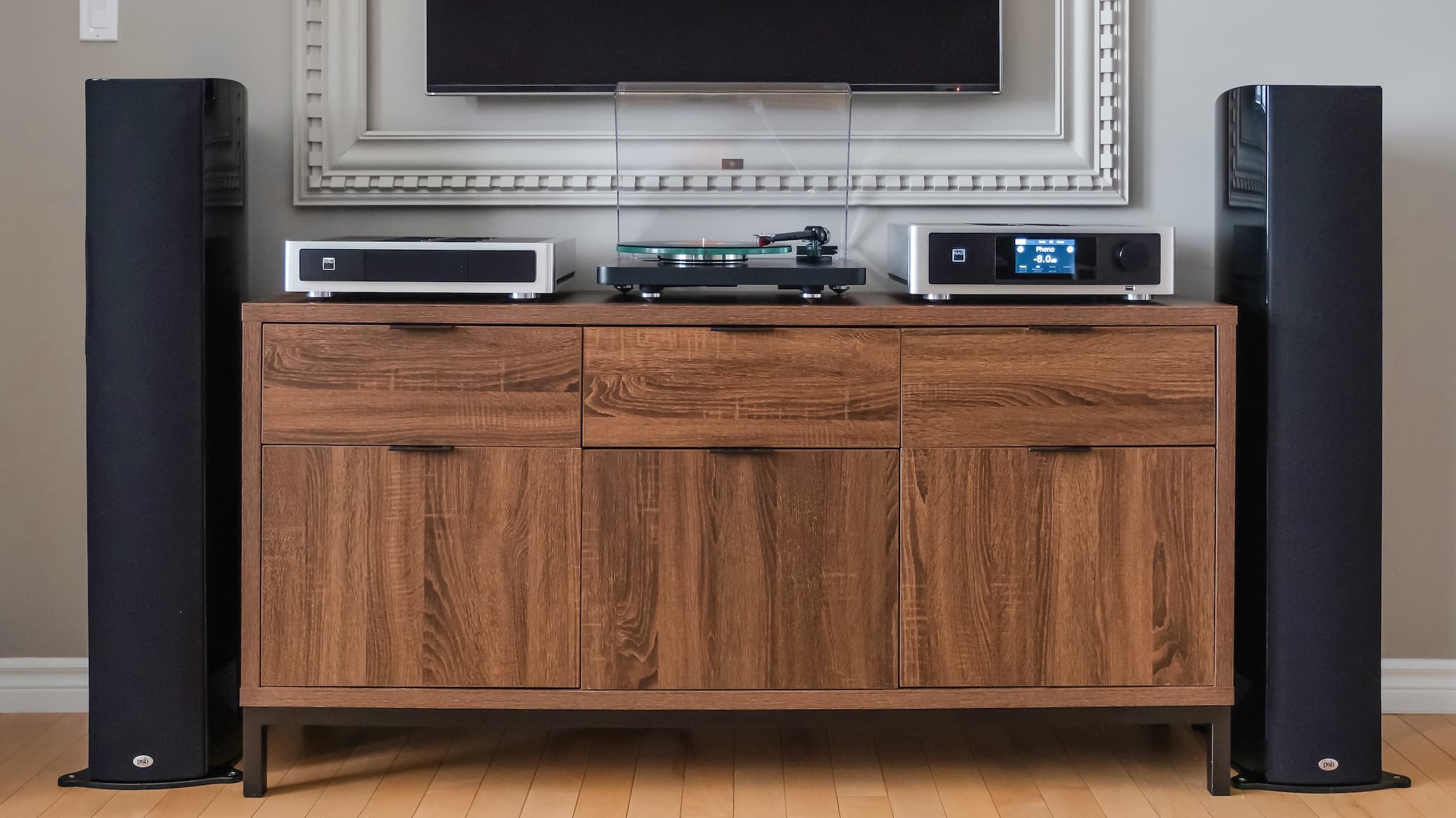
Final Takeaway
Your listening room is part of your audio system's environment, and a stable environment helps equipment perform at its best. By keeping humidity levels in check, you can help protect your speakers, preserve your vinyl collection, and extend the life of the gear you rely on every day.
Thanks for spending a few minutes with this week's Tip Tuesday. A small adjustment to your room today can help prevent bigger problems tomorrow. As always, happy listening!


Commentaires (1)
Hi all music enthusiasts , I read the issues regarding humidity with great interest.I live in the UK and along with the rest of Europe we have enjoyed hot weather all summer.Depending of your point of view the temperature and humidity have been here higher than normal.
I have a both a CD ( Yamaha ) player and a vinyl record player ( Rega ).
The sound from the CD system throughout out summer has been fine but the vinyl system has sounded awful. Over the last few days the temperatures and humidity have dropped to 23 C and 45 % humidity.The vinyl system has improved considerably and returning to the good old music I am use to.
I have always run a central based dehumidifier but have recently acquired a reasonable air purifier and the dust has dramatically reduced.
I do have a vinyl playing routine in that I clean the record using an anti static brush plus I have replaced the Rega wool mat and replaced that mat with an Origin Live up mat.( Great upgrade )
I believe a combination of better house keeping and reduced temperatures have improved the vinyl sound I hear.
Thank you for allowing me to pass comment !