


Welcome back to Tip Tuesday! Loud music is part of what makes listening fun, but too much volume can do permanent damage. This week, we cover simple, practical ways to enjoy music and protect your hearing so you can keep listening for years to come.
Know The Numbers
Experts use 85 dBA as a useful benchmark: regular exposure at or above that level can increase the risk of hearing loss over time. Every increase of 3 dB roughly halves the safe exposure time, so small increases in loudness matter a lot. For personal audio devices, the World Health Organization also recommends conservative limits to keep weekly exposure low.
Practical Rules That Work
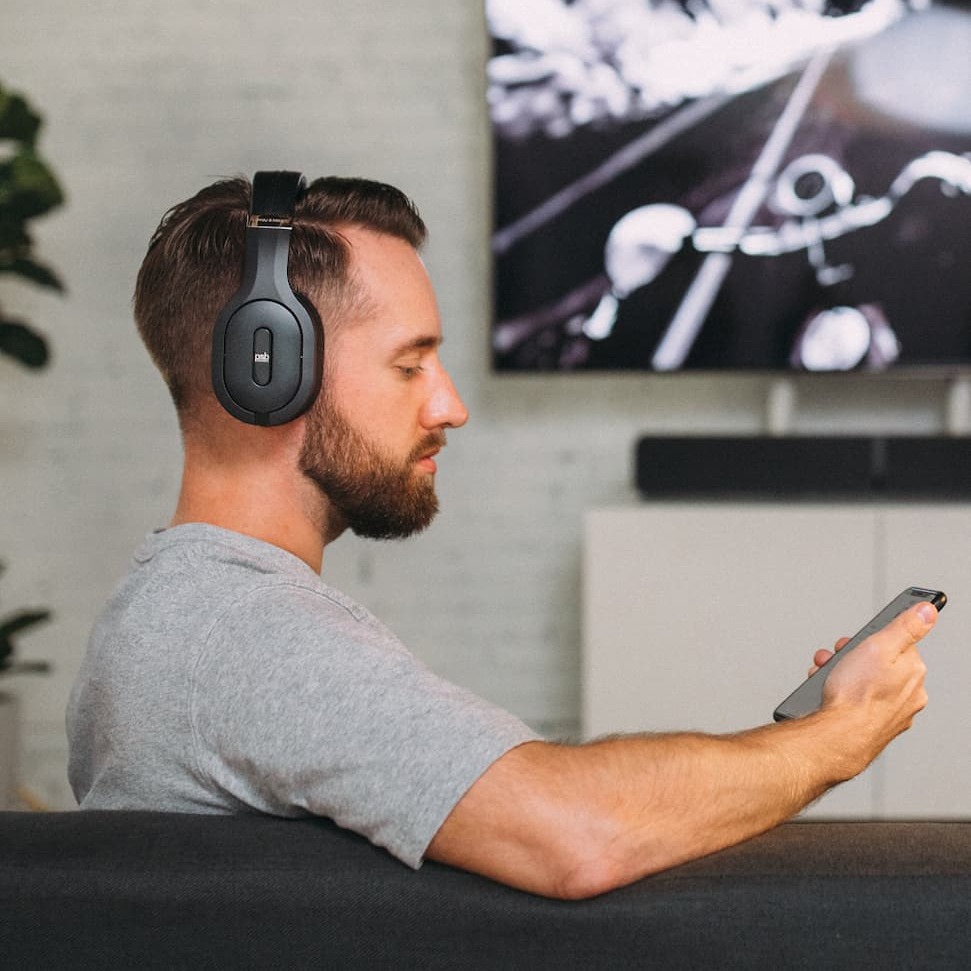
Use the 60/60 rule for headphones. Listen at no more than 60 percent of maximum volume for no more than 60 minutes, then take a break. When you are in loud venues where sound can top 100 dB, wear quality earplugs and step outside now and then to give your ears a rest. Noise-cancelling headphones are a great tool for lowering playback volume in noisy places because you do not need to crank the volume to overcome background noise.
Quick Checks and Habits
A simple test tells you if something is too loud: if you must raise your voice to talk to someone an arm’s length away, the music is likely in the risk zone. Use your phone’s built-in volume and hearing features to monitor exposure, and consider an inexpensive sound-level app or meter for concerts and loud spaces. Common reference levels help too. Conversation sits around 60 dB, traffic or subways around 85 dB, and concerts often exceed 100 dB.
Final Takeaway
Protecting hearing does not mean removing the fun. Small changes, like sensible volume, timed breaks, ear protection in loud places, and using tools that reduce background noise, let you enjoy music today and preserve it for decades. If you notice ringing, muffled sound, or persistent sensitivity after loud events, book a hearing check. Happy listening, safely.


Comments (0)
There are no comments for this article. Be the first one to leave a message!